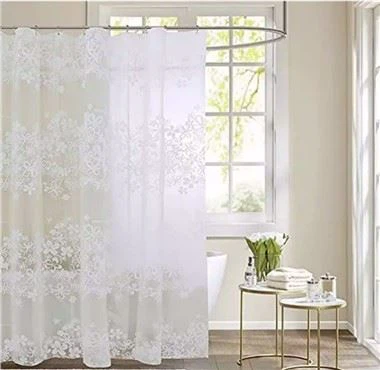
What is a shower liner vs shower curtain
Nov 21, 2024
Ever step into your bathroom and wonder if you're really using the right shower setup? You've probably heard of both a shower liner and a shower curtain, but what exactly is each one supposed to be used for? And are they both necessary? We're here to help you understand these deceptively simple yet crucial bathroom accessories and why they're so important to the perfect shower experience.
The Essentials: Shower Curtain versus Shower Liner
In other words, the shower curtain is the pretty one you see and ooh and ahh over. Meanwhile, the shower liner is the dirty worker you do not see. For adding style, color, and personality to your bathroom, the shower curtain is the decorative piece. This is the one hanging outside your tub or shower just for privacy, and it is generally made from fabric or plastic. Think of it more like that outfit that makes your shower look great.
In that case, the shower curtain liner is that unsung hero of your shower set up: it hangs inside the tub or shower stall, responsible for catching the water so it would not splash onto your bathroom floor. Usually made from waterproof elements such as vinyl or PEVA, it works like a barrier between your shower curtain and the water. The thing is, the liner does all the work and the curtain gets all the glory.
Shower Curtains: The Stars of the Show
Purpose and Function
But the undisputed star of the show is, of course, the shower curtain: first thing you see as you enter the bathroom, and it really sets the tone for the whole room. Whether you're clean and minimalistic or bold and eye-catching in pattern, the shower curtain is your canvas. It's a chance to add flair into the bathroom, making it feel like your personal retreat.
Shower curtains are also highly functional items. They protect the identity of the person while showering and at the same time make a contribution to maintaining a warm bathroom temperature by keeping the steam inside. Most shower curtains are made either from fabric-material, like polyester or cotton, even blends-or from plastic, usually vinyl. Fabric shower curtains look classier and usual for a more gentle look, while their plastic counterparts are considerably cheaper and low-maintenance.
Various Forms of Shower Curtains
Fabric Shower Curtains: These are made from materials like polyester, cotton, or even linen. On the other hand, cloth curtains are rather stylish and classy. They are easily machine-washable; hence, they are very popular for people who seek ease regarding cleaning. However, they are not individually waterproof-and it is at this place that the liner steps in.
Plastic Shower Curtains: Most of them are made from vinyl or PEVA. Plastic curtains are a fair deal cheaper, waterproof, and can easily be wiped dry-all this only adds to the convenience of using them in busy households. The plastic variants may not be as sumptuous as their fabric counterparts, but they do a great job of keeping the water inside the shower area.
Hookless Shower Curtains: Tired of those annoying curtain rings? The top of these hookless curtains is designed with grommets that snap directly onto your shower rod for an easy and efficient installation.

Style Considerations
Your shower curtain is the perfect avenue to muse into your personal style in the bathroom. Love bold colors and patterns, or maybe something subdued and serene? You can make endless choices regarding design, color, and texture in your shower curtain-to make either a focal point or pull it all together in the bathroom. Geometric prints, floral patterns, plush ruffled fabrics-the choices just go on and on.
Shower Liner: Practical Protector
Function and Purpose
Sure, the shower curtain gets all the glory, but that shower liner is really the MVP. What's its biggest job? Keeping the water in its place-inside the tub or shower stall. This keeps water from splashing onto your bathroom floors, making less cleanup required, less risk of slipping, and no water damage to the bathroom flooring.
Shower liners are manufactured from a water-resistant material, usually vinyl, PEVA, or EVA. They hang on the same set of rings that your shower curtain is on, but on the inside, facing the water. It's designed to catch all those stray splashes and drips so that your bathroom stays nice and dry.
Materials used for shower liners
Vinyl Liners: Vinyl liners are the most popular types of shower liners. Vinyl is completely waterproof, easy to clean, and not as expensive. However, it is not always an environmentally friendly option as vinyl may emit harmful chemicals.
Another Option: The use of PEVA and EVA liners ranks among several other alternatives to vinyl liners that have been made. These equally non-toxic, equally free of PVC linings offer the safer alternative while also reducing an environmental hazard. They're still waterproof and do a great job keeping the water where it should be.
Why You Need a Liner
If you're using a fabric shower curtain, then a liner is absolutely necessary. Fabric curtains don't stand a chance at being waterproof or water-resistant. That means without a liner, the water could easily soak through into the curtain and onto the floor and everywhere else inside your bathroom, for that matter. Even if you are using a plastic curtain, liners can extend its life by simply preventing mildew and mold from forming.
Shower Curtain and Liner: Do You Need Both?
So, do you really need one of each-a shower curtain and a liner? Almost always, yes. Here's why:
Containment of water: The liner keeps the water inside the shower, preventing damage to your floor and walls. This is something that it can do, whereas if you only have a curtain, more so one made of fabric.
Style and Functionality: The stylish curtain keeps them private, while the liner does its job of keeping the water inside the shower. It is just a perfect mixture of form and function.
Mold and Mildew Protection: A liner was shown to help one's shower curtain stay dry; thus, there is a lesser chance that mold and mildew will build up. This is especially true when you have a fabric curtain, since it easily retains moisture. Different Scenarios: When You Might Only Need One
Different Scenarios: When You Might Only Need One
Shower Liner Only
Can you just have a shower liner without the curtain altogether? You can, but that's not the most attractive or appealing thing in the world. Yes, the liner will keep the water in, but again, it doesn't give you the privacy or aesthetic appeal of the curtain. If you are in a pinch or you're looking for something to get you by, then sure, a liner will suffice.
Shower Curtain Only
What about just a shower curtain and no liner? If your curtain is one of those waterproof ones made from vinyl or PEVA, you might be able to get away with not using a liner. In the case of fabric shower curtains, you will want to have one in place. Without a liner, you will have water on the floor-no need to say that your beautiful curtain will get wet and may even grow mildew.
How to Keep Your Shower Curtain and Liner Clean
Keeping your shower curtain and liner clean can make the difference between a stinky bathroom and a fresh one. Here are some tips to help you do so:
Routine cleaning: Fabric shower curtains can go into the washing machine, provided you follow any care instructions. To give it an extra kick, use warm water, mild detergent, and some baking soda. You clean plastic liners by wiping them down with a mixture of vinegar and water or adding them in with the washing machine on a gentle setting.
Preventing Mold and Mildew: Mildew loves damp environments, so keep your liner and curtain as dry as possible. After showering, pull the closed curtain and liner so that they completely air out. This will help prevent moisture from being trapped in the folds.
Replace When Necessary: Even with the best care, shower liners and curtains do not last forever. Replace the liner every six months or sooner if mold or mildew accumulates that will not wash off. Fabric shower curtains can last longer; however, if they begin to wear or some stains set in that just won't go away, then it is time for a replacement.
How to Choose the Right Shower Curtain and Liner for Your Bathroom
When it comes to picking the perfect shower curtain and liner, consider the following:
1. Material
Consider what type of material works best for your needs. If you want an eco-friendly alternative to vinyl, you'll want a PEVA- or EVA-lined liner. As for the curtain itself, fabric is usually the more attractive alternative, but remember it will require a liner to avoid water soaking through.
2. Style
That shower curtain-the opportunity to put in a little bit of personality. Match it with something complementary in your decor to make the area cozy, whether that means bold stripes, floral prints, or pedestal-simple elegance. Pick something that speaks to you.
3. Functionality
If ease and convenience are what you are looking for, choose the absolutely easy-to-on-and-off hookless shower curtain. For those of you that have busy households and want something that's really a breeze to maintain, just check out no-frills plastic curtain and liner combo.
Conclusion:
Shower Liner versus Shower Curtain There you have it: the scoop on the shower liner versus shower curtain debate. Simple bathroom accessories, per se, yet each element plays an important role in making your shower both functional and stylish. While the shower curtain does the work of beauty, privacy, and personality, the shower liner does the hard work: keeping the water contained and saving your bathroom from further damage. Whichever the case may be, whether setting up your bathroom or giving it a makeover, ensure that you have both a curtain and a liner. Individually, they are almost a perfect match, with one tending to aesthetics and the other to the dirty work of keeping clean and dry. A good shower experience is about finding the right balance between style and practicality.