

Why Choose Us
Professional team:We are a manufacturer specializing in bathroom products. Our main products are shower curtains, (including Polyester,PEVA.PVC,VINLYand PE shower curtain etc) ,Microfiber towel,Table cloth,Shower curtain rod, Apron.and many other products for daily use. We've been engaged especially in this field about 20 years. We also have independent export right, and this can produce, customs clearance, export one-stop service.
Quality control:We have built a professional QC team to accurately inspect every raw material and every process of production.Moreover, the factory has introduced fully automated machines, which have improved the efficiency of shipment while ensuring product quality.
Attractive design:Every month, our design team will do pattern design based on the lastest fashion trend.
Rich experience:We believe the operation principle of quality first, honest business and mutual benefits' all the time. Now we have established long-term business relationships with our customers in Europe, the USA, Australia, etc. We constantly promote technical innovation and develop new products to satisfy our customers' needs for better products.
What is a Table Cloth
A tablecloth is a cloth used to cover a table. Some are mainly ornamental coverings, which may also help protect the table from scratches and stains. Other tablecloths are designed to be spread on a dining table before laying out tableware and food. Some tablecloths are designed as part of an overall table setting, with coordinating napkins, placemats, or other decorative pieces.
-

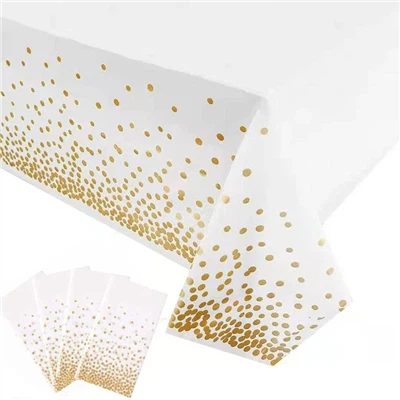
Elevate your events with our stylish and practical PE tablecloth. Featuring a clean white background with shimmering gold dots, it adds a touch of luxury to any occasion. Waterproof, oil-proof, and
Add to Inquiry -
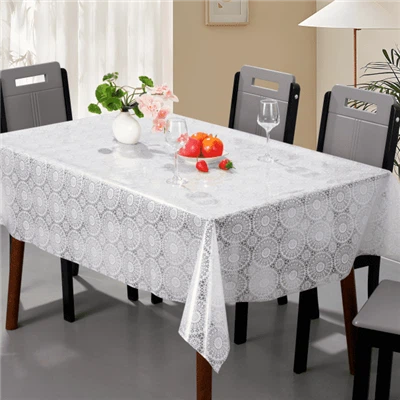
Upgrade your table with our wholesale round PVC tablecloths! Choose from elegant floral, classic check, or luxury patterns. 100% waterproof & oil-resistant. Made from non-toxic, food-safe PVC.
Add to Inquiry -
PVC Transparent Dining Table Cover
Upgrade your table with our PVC transparent printed dining table cover! Features minimalist yet stylish patterns on durable, non-toxic material. 100% waterproof & oil-resistant. Available in
Add to Inquiry -
Our plain plastic tablecloths offer a practical and hygienic solution for any dining occasion. Made from durable, lightweight material, they are waterproof, stain-resistant, and easy to clean. Ideal
Add to Inquiry -
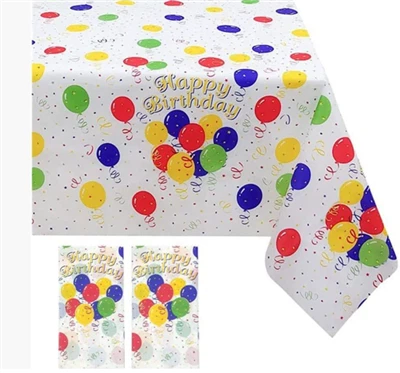
Brighten any space with our colorful printed tablecloths!Featuring unique designs,waterproof & oil-proof material for mess-free use.Disposable & eco-friendly–perfect for kitchens,parties,and
Add to Inquiry -
PE Disposable Laser Tablecloth Wedding Decor
Laser Flash Tablecloths feature trendy holographic designs with dazzling light effects,waterproof & oil-proof for mess-free use.Disposable yet eco-friendly,perfect for parties/events.Packed in clear
Add to Inquiry -
Disposable Animal Theme Print Waterproof Oil-proof Tablecloth
This adorable plastic tablecloth features playful puppy paw and cute cow prints, made from 38gsm eco-friendly PE material that's waterproof, oil-resistant and perfect for quick cleanup.Ideal for
Add to Inquiry -
Metallic Foil Nordic Tablecloth
Metallic Foil Nordic tablecloth feature trendy designs, waterproof & oil-proof for easy cleanup. Safe, eco-friendly, and disposable. Packed in OPP bags, perfect for parties/events. Low MOQ & small
Add to Inquiry -
Fitted Rectangle Plastic Tablecloth
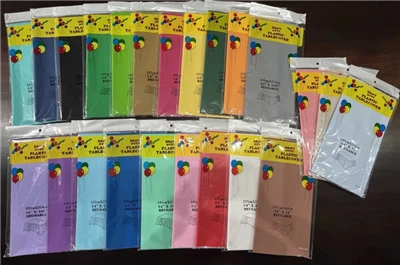
Classic solid-color plastic tablecloths:timeless,versatile,and available in a wide range of colors.Waterproof, oil-resistant, and easy to clean, perfect for quick setup and disposal.Made from safe,
Add to Inquiry -
Checkered Bulk Tablecloths for Sale
Upgrade your table with our 70gsm waterproof checkered bulk tablecloths!Stylish, oil-resistant,and reusable, they're perfect for kitchen,parties and picnics.Available in trendy colors and multiple
Add to Inquiry -
Perfect for weddings parties and BBQ.our cheap table cloths bulk is waterproof oil-proof and Eco-friendly.Made for easy cleanup simply use and toss!Available in stylish colors to match any decor.The
Add to Inquiry -
Spot black-bottom silver tablecloth . Party festival tablecloth . waterproof anti-oil black gold tablecloth factory
Add to Inquiry



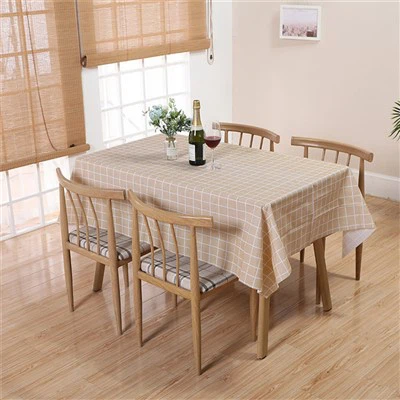


Benefits of Table Cloth
Protection for your table
A tablecloth acts as a protective barrier between your dining table and potential spills, scratches, or heat damage. It helps to preserve the surface of your table, extending its lifespan and keeping it in good condition for longer.
Easier cleanup
When accidental spills occur during meals, block printed tablecloths makes cleanup much simpler. You can easily remove the tablecloth and launder it, preventing stains and messes from reaching the table's surface directly.
Enhanced aesthetics
Tablecloths come in various colors, patterns, and textures, allowing you to add a touch of elegance and style to your dining area. They can complement your tableware and decor, creating an inviting and cohesive ambiance for your meals.
Versatility
Tablecloths are not limited to just protecting dining tables. You can use them for various occasions, such as parties, gatherings, or special events, to elevate the overall look and atmosphere of your space.
Absorbent properties
Some tablecloths are designed to be absorbent, making them useful for absorbing condensation from cold beverages, preventing it from damaging the table's surface.
Reduce noise
Placing dishes, cutlery, or serving dishes directly on the table can create noise and potentially scratch the table. A tablecloth acts as a cushion, reducing noise levels and preventing scratches.
Types of Table Cloth
Table runners
Table runners add a touch of elegance and style to your table. Placed down the center of the table, they can be a statement piece on their own or complement a tablecloth. Table runners are versatile and can be used for both casual and formal occasions.
Placemats
Placemats offer individualized settings for each guest. They protect the table from spills and provide a designated space for cutlery and dishes. Available in various materials and designs, placemats bring a pop of color and texture to your table.
Table runners
Table runners add a touch of elegance and style to your table. Placed down the center of the table, they can be a statement piece on their own or complement a tablecloth. Table runners are versatile and can be used for both casual and formal occasions.
Table skirting
For buffet-style gatherings, buffet cloths and skirting not only protect surfaces but also add a polished look to serving areas. They are available in practical materials that are easy to clean.
Material of Table Cloth
Cotton
Made from natural fibers that have good absorbency, easy to clean and can be ironed.
Polyester
Made from synthetic fibers which are wrinkle-resistant, durable and easy to maintain.
Vinyl
Made from synthetic materials such as PVC, ideal for outdoor use as it is waterproof and easy to clean.
Burlap
Made from natural fibers, ideal for rustic-themed events with its rough texture.
Satin
Made from synthetic fabric with a shiny finish, usually used for formal events.
Polyester
From polyester fabric with sewn-on sequins that create a shimmery effect, perfect for glam events.
Application of Table Cloth
Home:Table cloths are commonly used in homes to decorate and protect dining tables. They add a touch of elegance and can be used for formal or informal occasions.
Restaurants:Table cloths are a common sight in restaurants. They offer a professional look and help to protect the tables from spills and stains.
Wedding and special events:Table cloths are an essential element in weddings, conventions, and other special events. They make tables look sophisticated and provide a cohesive look.
Hotel and Banquet Halls:Table cloths are a staple in banquet halls and hotels. They help to add a touch of class and professionalism to the space.
Cafes and coffee shops:Table cloths are used in cafes and coffee shops to highlight particular tables and make them look more inviting. They help to create an ambiance that is cozy and comfortable.
Parties:Tablecloths are a great addition to any party or event. They can add a pop of color or theme to the room and protect the table from spills.

Process of Table Cloth
-
Fabric selection:The first step is the selection of the fabric that suits the design, color, and durability requirements. The most commonly used fabrics for tablecloths are cotton, polyester, linen, and silk.
-
Cutting:The fabric is cut to the desired size and shape using cutting machines or scissors. The size of the tablecloth depends on the size of the table and how much overhang is required.
-
Hemming:The edges of the fabric are hemmed to prevent fraying. This is done by folding the edges twice and stitching them down with a sewing machine.
-
Printing/embroidery:If a design or pattern is required, it can be printed or embroidered onto the fabric using digital or manual techniques. This is done before the hemming process.
-
Washing:The tablecloth is washed to remove any impurities and to soften the fabric. This is an important step as it can prevent shrinking or color fading after the tablecloth is used and washed multiple times.
-
Ironing:The tablecloth is ironed or pressed to remove any wrinkles and to give it a smooth finish.
-
Packaging:The tablecloth is either packed individually or in sets with matching napkins and table runners, and then shipped to the retailers or customers.

How to maintain Table Cloth
For stubborn stains on your tablecloth, pre-treat the area with a mixture of mild detergent and water. Allow it to sit for a few minutes, then gently scrub with a soft brush or sponge. Rinse thoroughly before washing.
Architectural design & planning cepteur sint occaecat cupidatat proident, taken possession of my entire soul, like these sweet mornings of spring which I enjoy with my whole...Architectural design & planning cepteur sint occaecat cupidatat proident, taken possession od my entire soul, like these sweet mornings of spring which I enjoy with my whole Lorem ipsum dolor sit ament, consectetur adipisicing elit,sed do eiusmod tempor incididunt labore et dolore magna aliqua. it enim ad minim veniam.
After the tablecloth is washed, refrain from using a machine for drying. You should always air-dry your tablecloth whenever possible to maintain its shape and color. Place the fabric on a flat surface or hang it outside to air dry.
Once you have cleaned and dried your tablecloth and it’s done for the season, we recommend starching and pressing it before storing. You can do this process at home by adding starch to the machine during the rinse cycle and using an old-fashioned iron
When not in use, fold your tablecloth neatly and store it in a cool, dry place away from direct sunlight. When storing your linens, you want to make sure that you are using a location that is well ventilated and free of moisture. Avoid using such things as cedar chests, cardboard boxes, and plastic bags.
CertificationsProducts Description


Our Factory
We believe the operation principle of quality first, honest business and mutual benefits' all the time. Now we have established long-term business relationships with our customers in Europe, the USA, Australia, etc. We constantly promote technical innovation and develop new products to satisfy our customers' needs for better products.


Frequently Asked Questions Bathroom Non Slip Mat
As one of the most professional table cloth manufacturers and suppliers in China, we're featured by quality products and good service. Please rest assured to wholesale cheap table cloth made in China here from our factory. Also, customized service is available.
velvet tablecloth, blue and white tablecloth, personalised tablecloth